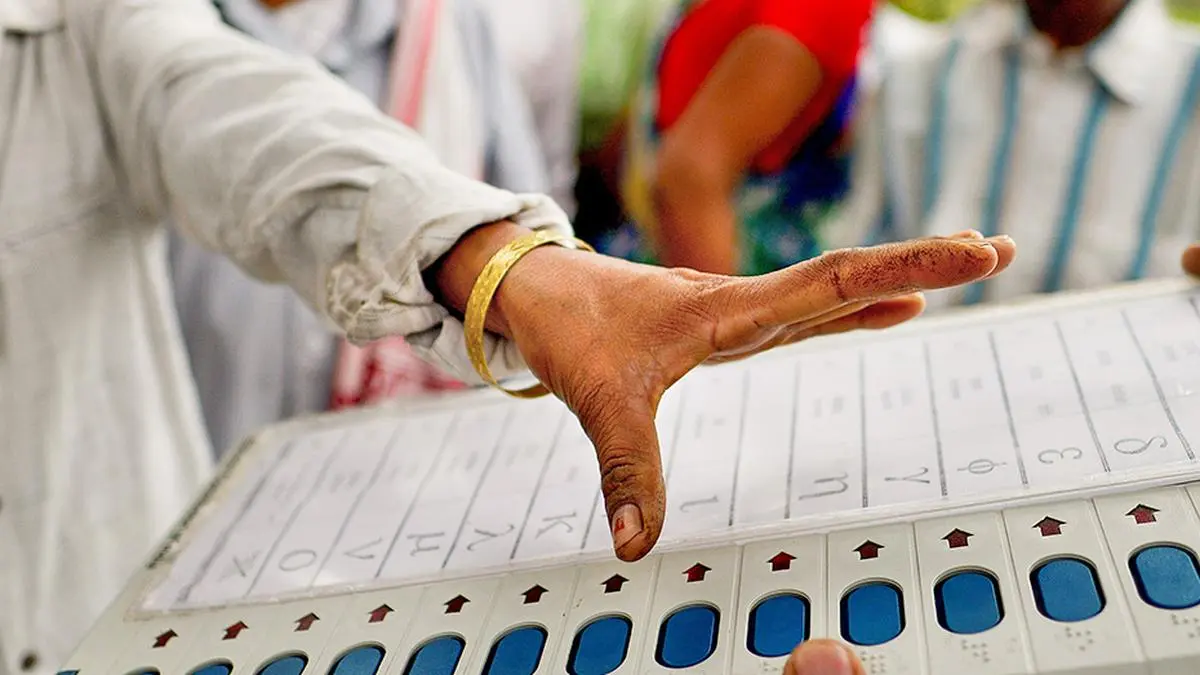
Cash or conscience — what will decide Tamil Nadu’s 2026 elections? As the state moves closer to a crucial political moment, this question is echoing across voters, especially the youth. While the Election Commission of India has laid down strict rules to ensure free and fair elections, past experiences tell a different story — where money power, influence, and loopholes have often overshadowed true democracy. Now, with rising public awareness and growing support for movements like Tamilaga Vettri Kazhagam (TVK), the 2026 elections are no longer just about choosing leaders — they are about choosing the future of politics itself.
Read more: Tamil Nadu Election 2026
Key Question: Will rules finally defeat money power in Tamil Nadu elections?
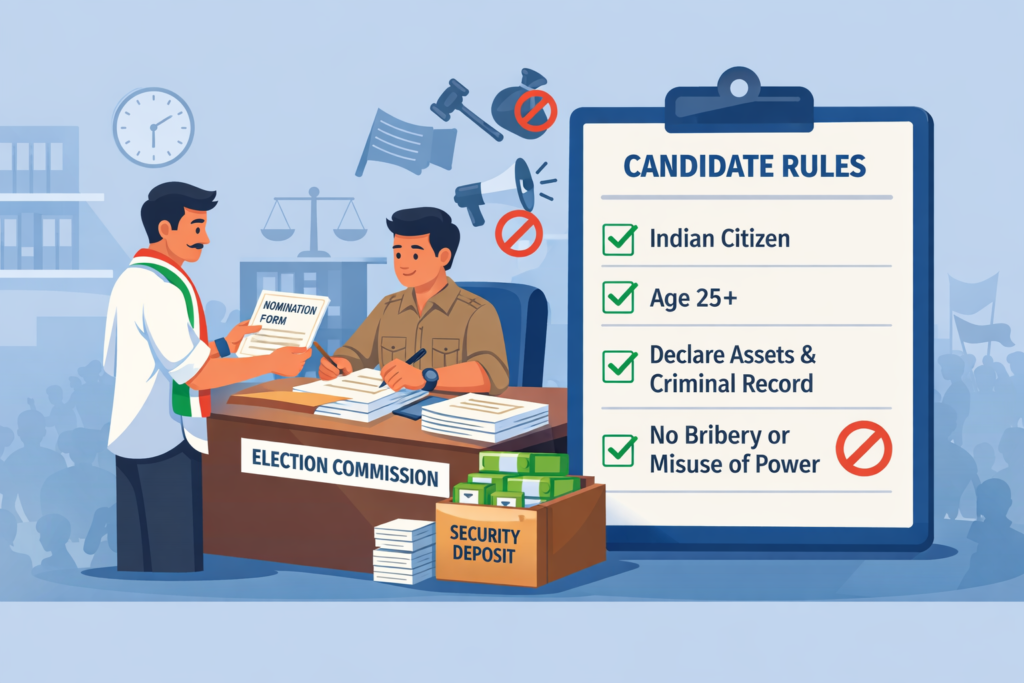
Mandatory Rules for Candidates
Every candidate entering the 2026 electoral battle must pass through a strict legal framework designed to protect democracy. They must be Indian citizens, at least 25 years old, and registered voters. Filing nomination papers is not just a formality — it requires full disclosure of assets, liabilities, and any criminal background, along with a mandatory security deposit.
The Election Commission of India enforces the Model Code of Conduct (MCC) to maintain fairness in elections. This includes a complete ban on bribery, misuse of government machinery, hate speech, and any attempt to influence voters through illegal means. Campaign spending is closely monitored, and candidates are required to maintain full transparency by submitting detailed expense reports.
However, the real concern lies not in the absence of rules, but in their implementation. Any violation can lead to disqualification, yet past elections have shown that enforcement is not always consistent. In a system where accountability should be absolute, even a small lapse can weaken public trust in democracy.
Mandatory Rules for Voters
In any democracy, voters hold the ultimate power — but that power comes with responsibility. Every citizen aged 18 and above must be registered in the electoral roll to cast their vote in the 2026 elections.
Voters are required to carry valid identification, such as a Voter ID card or approved documents, and must vote only at their assigned polling station. Inside the polling booth, strict rules apply — maintaining secrecy of the vote is mandatory, and the use of mobile phones or any attempt to influence others is strictly prohibited.
However, the biggest challenge is not awareness, but action. Despite knowing their rights, many voters either stay away from polling booths or fall victim to money, gifts, and false promises. This weakens the very foundation of democracy.
As Tamil Nadu approaches 2026, the responsibility is clear — every vote must reflect free will, not external influence. The strength of democracy depends not just on rules, but on the integrity of the voters themselves.
Ground Reality: Problems in Previous Elections
While election rules in India appear strong on paper, the ground reality has often told a different story. Past elections in Tamil Nadu have repeatedly exposed gaps between regulations and their actual implementation.
One of the biggest concerns remains the influence of money power. Distribution of cash, gifts, and freebies continues to affect voter decisions in several regions, raising serious questions about the fairness of the electoral process. Despite strict monitoring by the Election Commission of India, such practices have not been completely eliminated.
Misinformation is another growing challenge. With the rapid spread of content on social media, voters are often exposed to false narratives, making it difficult to distinguish between fact and propaganda. This directly impacts informed decision-making.
In addition, issues such as voter list errors, polling delays, and inconsistent enforcement of rules create frustration among the public. Urban voter apathy also remains a concern, with many eligible voters choosing not to participate.
Special Intensive Revision (SIR): Reform or Concern?
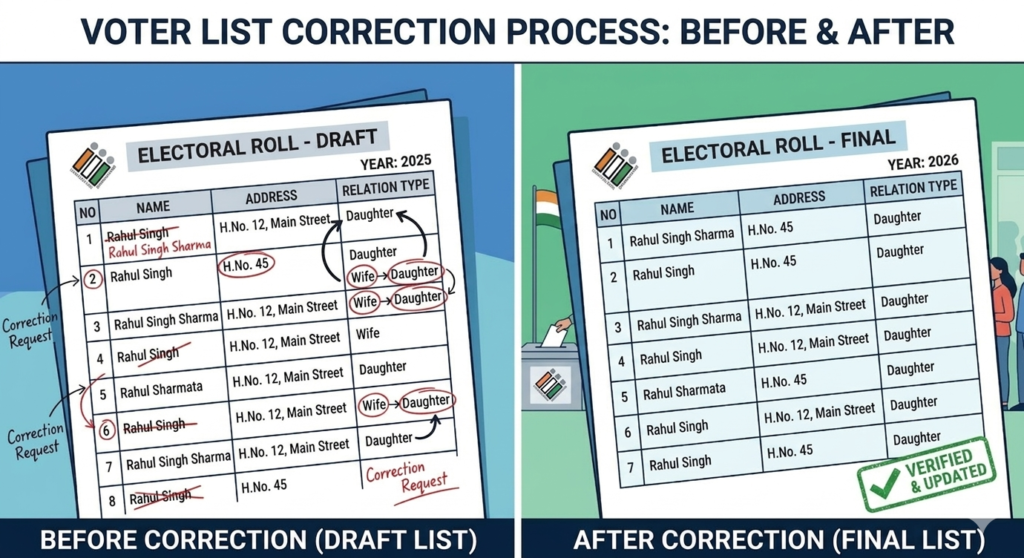
To address voter list inaccuracies, the Election Commission of India periodically conducts a Special Intensive Revision (SIR) of electoral rolls. This process aims to verify voter details, remove duplicate or ineligible entries, and ensure that only genuine voters are included.
While SIR is intended to strengthen the electoral system, it has also raised concerns in past elections. Critics argue that errors during revision can lead to the deletion of valid voters, creating confusion and dissatisfaction. In some cases, eligible voters have reportedly found their names missing on polling day, preventing them from exercising their democratic right.
This raises a critical question — is SIR always implemented with complete accuracy and transparency? While the intention is reform, the execution must be flawless to avoid weakening public trust.
These challenges highlight a crucial reality — rules and reforms alone cannot guarantee free and fair elections. Without strict enforcement, transparency, and accountability, the gap between democratic ideals and ground reality will continue to grow.
A Call for Change: Voice of the People
As Tamil Nadu approaches the 2026 elections, a strong wave of political awareness is rising across the state. For many, this election is no longer just about parties or candidates — it is about restoring trust in the democratic system itself.
Supporters of Tamilaga Vettri Kazhagam (TVK) view this moment as a turning point. There is a growing demand for clean politics, where elections are decided by people’s voices rather than money power, manipulation, or outdated practices. The expectation is clear — rules must not only exist, but be enforced equally for everyone.
The Election Commission of India has established detailed guidelines to ensure fairness. However, the real test lies in implementation. Selective enforcement or overlooked violations can weaken the very foundation of democracy and discourage genuine participation.
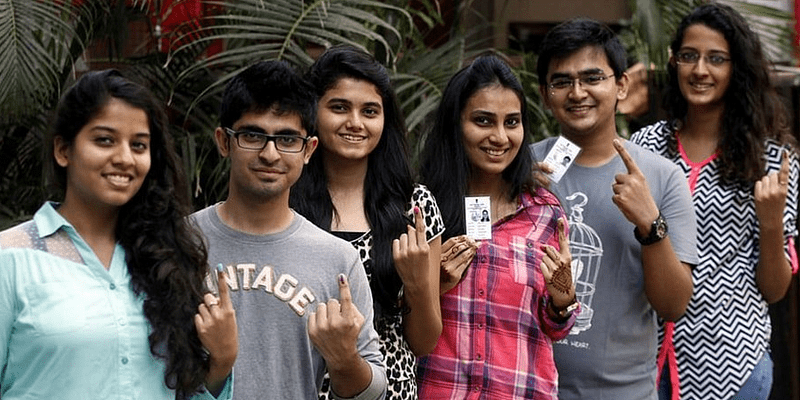
A new generation of voters, especially the youth, is stepping forward with a different mindset. They are more aware, more connected, and less willing to accept traditional political tactics. This shift is creating space for new movements and fresh leadership to emerge.
The message from the ground is becoming louder — Tamil Nadu does not just need another election, it needs a transformation. The 2026 elections could become the moment where people reclaim their power, demand accountability, and reshape the future of politics.
The Road Ahead
As Tamil Nadu moves closer to the 2026 Assembly elections, the role of rules and regulations set by the Election Commission of India becomes more critical than ever. These guidelines are designed to ensure free and fair elections — but their true strength lies in how effectively they are implemented on the ground.
From money power to misinformation, and from voter list errors to enforcement gaps, past challenges have shown that democracy cannot rely on rules alone. It requires active participation, awareness, and accountability from every stakeholder — candidates, voters, and authorities.
The 2026 elections present an opportunity to break away from old patterns and build a system where transparency, fairness, and integrity are non-negotiable. For many, especially supporters of emerging political movements, this is a defining moment that could reshape Tamil Nadu’s political future.
In the end, the real power lies with the people. If votes are cast freely, rules are enforced equally, and voices are heard without influence, this election could mark not just a political victory — but a victory for democracy itself.